

In a retail category review, a buyer’s core goal is to grow the category profitably — not just evaluate individual brands. With 85% of new CPG launches failing within two years, they’re naturally cautious.

Here are some tips and tricks to strengthen your approach in category reviews by focusing on the category first, not just your own products. Bring clear insights into shopper trends, gaps, and opportunities, and demonstrate how your product drives incremental growth—new shoppers, occasions, or margin—rather than simply taking share.

Strategy 1: Uncovering Placement and Category Incrementality

One of the biggest questions on a buyer’s mind is whether your product will grow their category or simply replace something that’s already selling. Insights can help you show true incrementality.

Buyer Question Insight Tool Example Question to Ask Consumers
Where does it belong? Shelf/product concept testing “If you were shopping, would you look for this product in the dairy aisle (with yogurt) or the prepared foods aisle (with ready-to-eat items)?”
Who is the competition? Competitive analysis survey “Compared to [Brand X] and [Brand Y], how does the taste/value of this product compare?”
Does it steal sales? Consumer behavior survey “If you bought this product, what product would you stop buying or buy less of?”

This kind of data helps remove guesswork for the buyer. It gives them confidence about where to place your product (and what they may need to remove) to make space.

Strategy 2: Quantifying Intent and Predicting Velocity

A good indicator of long-term retail success is Customer Lifetime Value (CLV), but a lot of brands don’t have years of data to share. You can, however, use qualitative insights to predict future purchase behavior.

Understanding when and how often consumers plan to use your product is one of the best indicators of repeat purchase potential. 

Instead of stopping at general questions like “Did you like it?”, go a level deeper:

  • Ask how frequently they’d use the product within a typical week/month
  • Identify where it fits in their daily routine (e.g. post-workout, morning snack, evening wind-down).
  • Clarify whether it replaces something they already buy or is an additional purchase.
  • Explore barriers that might impact repeat use, such as price, convenience, format, portion size, etc.

Once you understand the routines behind why someone likes your product, you can translate those patterns into clear, defensible numbers. This might look like:

  • “X% of consumers say they would use this product multiple times per week.”
  • “Y% plan to add it to an existing routine rather than replace something else.”

These types of metrics help buyers assess repeat purchase potential (one of the biggest predictors of success on shelf) and give your brand stronger credibility in the conversation.

Strategy 3: Using Sentiment to Drive Actionable Product Change

Consumer feedback gathered early on (such as through a digital sampling campaign) can help avoid issues that would be far more expensive to fix after a full launch. This is about turning raw sentiment into a clear directive for product development or packaging.

  • Emotional drivers: People often buy based on how a product makes them feel. You can use sentiment analysis on open-ended feedback (reviews, survey comments) to help uncover the emotional drivers behind their shopping preferences.
  • Product usability: When shoppers try a product, they’ll tell you exactly what works and what doesn’t – from taste all the way to packaging. Their feedback often surfaces issues long before they show up on shelf.

Your Insights Engine for De-Risking

For brands that want to put this strategy into action, having a platform that connects attitudes (what people say) with behavior (what people do) makes the process much easier.

Social Nature supports this by gathering two types of insights from over 1.2 million shoppers who are actively interested in better-for-you products.

  • Customized Surveys: Brands can ask customized questions that surface the exact data needed for a buyer pitch, such as placement expectations, routine usage, or frequency of consumption.
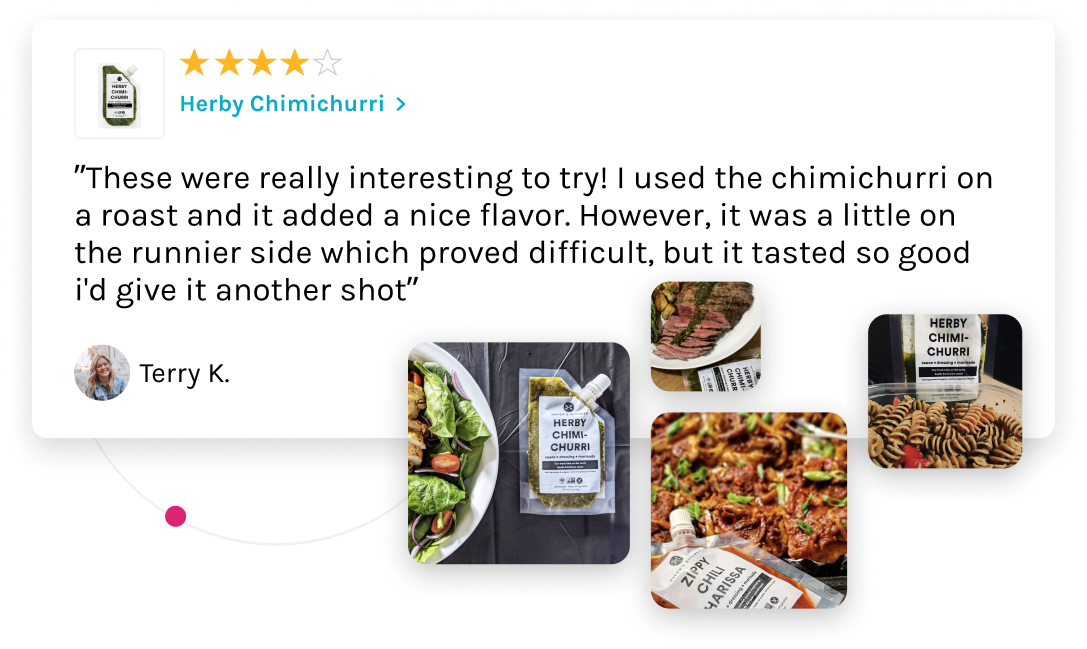
  • Authentic, Actionable Reviews: Shoppers share honest feedback about your product, giving you a clear look at what they value and how they’re likely to buy. These insights become powerful proof points in buyer conversations.

When you build your pitch on real consumer intelligence, you show buyers your brand isn’t operating on instinct alone. You’re making decisions based on what shoppers want and how they behave, and that’s what gives buyers confidence when deciding what to put on their shelves.

Put real consumer proof behind your next category review. Chat with a CPG strategist to get started.

Related Posts

Leave a Reply