
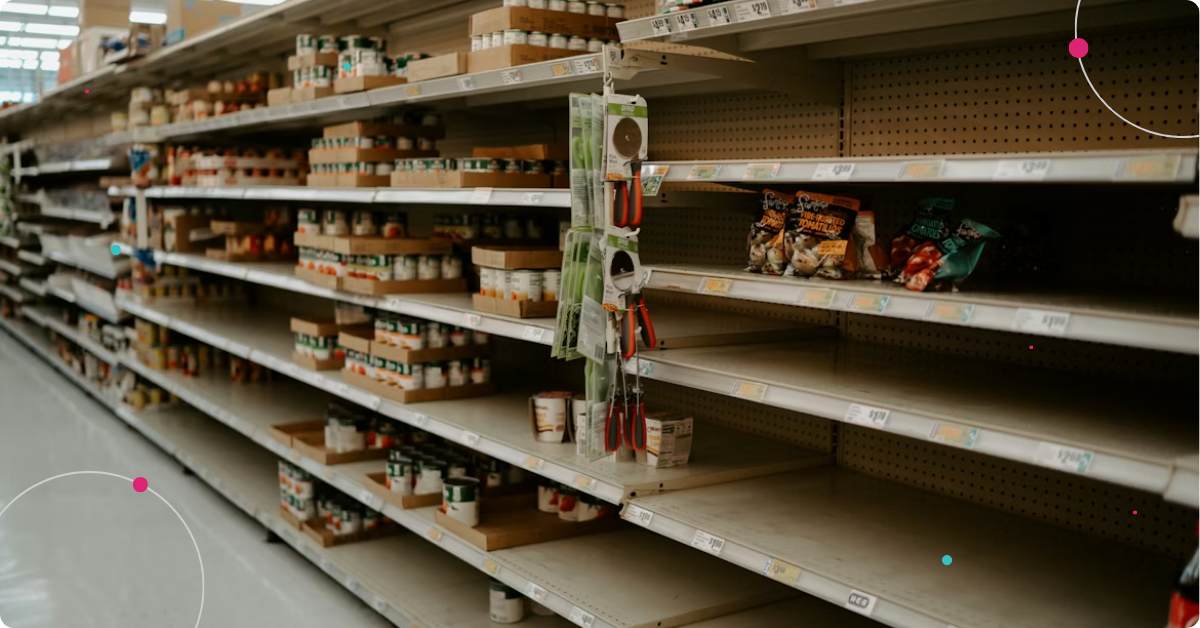
CPG Purgatory: When Topline Growth Kills Profitability

Many natural food and beverage founders start out with the same dream: build a brand people love and see it everywhere. You land a few regional Whole Foods regions, local retailers are excited to bring you in, and your velocity numbers look decent. Things feel like they’re working.

Then something shifts. You raise a bridge round, expand to 1,000 stores, and suddenly the bank account is draining faster than product is moving off shelves.

You’ve entered CPG Purgatory.

This is the uncomfortable middle ground between being a small, healthy brand and a massive national success. You’re no longer growing slowly and sustainably, but you’re also not profitable enough to survive without constant outside funding. Stay here too long, and the odds catch up with you – nearly 80% of CPG startups don’t make it out.

Here is how to spot the trap and build a path toward actual profit.

The “Growth at All Costs” Trap

For years, the playbook for natural brands was pretty straightforward: get into as many stores as possible (maximize ACV) and worry about the math later. Investors rewarded top-line growth, and profitability could wait. That world doesn’t exist anymore. With higher interest rates and a tighter market, profitable growth is now the baseline expectation.

Wide distribution can hide a lot of problems. If you’re in a lot of high-volume retailers but your velocity is weak, there’s a good chance you’re spending more on slotting fees and trade spend than you’re earning back in gross profit.

One of the clearest warning signs of purgatory looks like this: you receive a big purchase order from a major retailer, but after deductions for promotions, shipping errors, and spoilage fees, you’re left with only 20% of the check.

Margin Is Your Best Metric

To get out of this trap, you have to stop fixating on total sales and start paying closer attention to gross-to-net margin.

Gross margin is what’s left after it costs you to make the product. Net margin is what’s left after the retailer takes their share. In the natural channel, retailers are known for stacking fees. You might pay an upfront fee to get on the shelf, another to run a promotion, and several more every time a shopper scans your barcode.

If your margins aren’t high enough to cover these leaks, you’re essentially paying retailers to carry your product.

The PESO Framework: A Better Way to Promote

Most brands manage their sales calendar by copying what they did last year. If you want to be profitable, you need a more intentional way to evaluate whether each promotion is actually helping your business.

One helpful way to think about this is the PESO framework, as shared by Promomash’s Founder & CEO, Yuval Selik:

  • Plan: Don’t say yes to every retailer program just to “stay on the shelf.” Set clear velocity goals for every promotion before you commit.
  • Execute: Make sure price reductions don’t happen in isolation. Data shows that discounts alone often have the lowest long-term ROI.
  • Settle: Review distributor deductions closely. Are you being charged for promotions that didn’t run as planned? If you don’t verify these charges, you’re likely losing money without realizing it.
  • Optimize: Look at the actual lift. Did that 20% off promotion bring in new customers who came back at full price? If not, it’s probably not worth repeating. Digital sampling can help by targeting the right shoppers from the get-go and showing whether they convert after the promotion ends.

Know When to Say “No”

The hardest part of escaping purgatory is turning down a “dream” retailer.

Picture this: a national chain offers to put you in 500 stores overnight. It feels like a huge win. But if you don’t have the marketing budget to support those doors, your product may sit unnoticed on the bottom shelf. After a few months of slow movement, the retailer will cut you and the exit fees alone can put some serious strain on your business.

This is where discipline matters. Before you go national, dominate your own backyard. If you can’t be profitable in 50 local stores where you can show up, demo, and support sell-through, scaling to 1,000 stores won’t magically fix that.

Focus on Cash Flow, Profitability, and Growth

Think of your business like a three-legged stool: cash flow, profitability, and growth.

  • You can grow without being profitable for a while but only if you have a lot of cash.
  • You can be profitable and cash-positive, but growth will be slower.
  • The real danger zone is trying to grow quickly without enough cash or a proven profit model. That’s how brands end up taking extreme measures just to survive.

Escaping purgatory often means making tough calls. If you have four flavors and one is consistently draining cash because it doesn’t sell, it may be time to cut it. Focus your energy and resources on the hero products that actually move.

The goal isn’t just to be on the shelf; it’s to stay there profitably.

Turn your distribution into profitable growth. Chat with a CPG strategist to get started.

Related Posts

Leave a Reply