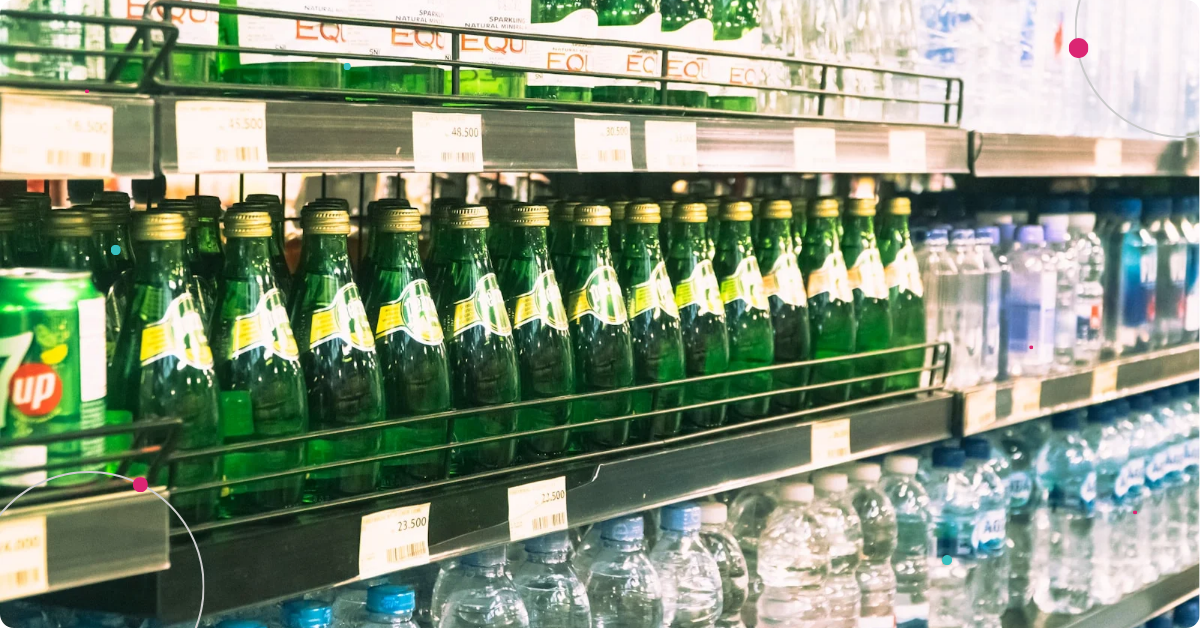
a display in a store filled with lots of bottles of water

For a long time in the beverage world, sampling was all about “brand awareness.” Brands hired people to stand on street corners, at events, or outside stores, handing out small cups to anyone walking by. People got a taste, maybe said “that’s good,” and moved on.

The problem? Very few of those moments turned into actual sales.

Fast forward to today. Brand loyalty is low, price matters more than ever, and shoppers have endless options. Taste alone isn’t enough anymore. If sampling doesn’t lead to a purchase, it’s not doing its job. That’s why beverage brands need to shift from awareness-based sampling to conversion-based sampling.

The Problem with Awareness-Only Sampling

Sampling at a music festival or park can be fun and memorable, but it’s also hard to track or quantify. You might give away thousands of samples at a park, but you don’t know if those people ever actually bought your product. Did that person remember your drink three days later when they were standing in the grocery aisle? Probably not.

Research shows that 55% of consumers decide what to buy right at the shelf. If the sample happened days earlier and nowhere near a store, the connection is usually lost by the time they’re shopping. And in an already crowded beverage space, awareness alone is no longer enough to turn a trier into a buyer.

What is Conversion-Based Sampling?

Conversion-based sampling is designed to move a shopper from “trying” to “buying”. Instead of hoping a shopper remembers your product days later, this approach keeps the trial and the purchase close together, and strategic digital sampling is the engine that makes it possible.

The strategy focuses on a few key things:

  • Targeted reach: Instead of casting a wide net, brands focus geo-targeted efforts on the specific retailers, like Walmart or Whole Foods, and the shoppers that live in those regions.
  • Proximity to purchase: Digital offers are redeemable only at a specific retailer, creating a direct path from receiving the sample to making a purchase – no gap in time, no relying on memory.
  • Trackable conversion: Every digital activation ties back to a real purchase. Brands can collect emails or phone numbers, making it possible to follow up, measure redemption, and build a picture of who’s actually buying.

By using geo-targeted digital offers, brands reach shoppers who can walk inside and buy right away. That immediate sales lift is crucial, especially for newer products trying to defend their shelf space and hit the velocity targets retailers use to decide who stays on the shelf.

Beyond that, digital sampling arms your sales and marketing teams with real data to use in retail meetings. More importantly, it signals to retail buyers that you’re not just asking for shelf space; you’re actively investing in making sure your product performs in their stores.

The 'Test and Learn' Playbook

The data collected from sampling doesn’t just help in retail meetings – it’s also one of the fastest ways to learn what’s working and what isn’t before problems show up in your sales numbers. Digital sampling makes this feedback loop far more organized and actionable than traditional methods ever could.

Post-trial digital surveys and shopper reviews capture exactly why people liked your product or why they wouldn’t buy it again. You’ll start to hear things like:

  • Flavor feedback: Is it too sweet? Not bold enough?
  • Pricing signals: If data shows people love the taste but the price is a barrier, you can adjust your pricing strategy before going national.
  • Product optimization: What needs to change with the product or its packaging to better meet consumer expectations before you scale.

Each of these signals helps you make smart decisions before committing to a national rollout.

Winning the 'Value-Hungry' Consumer

Even with the right strategy in place, the market you’re selling into is unforgiving. As we move through 2026, shoppers are under real financial pressure – 71% of shoppers say they’re willing to switch brands just to get a better price. In this environment, a free sample isn’t enough to earn loyalty.

The brands that win combine trial with a clear incentive: target your ideal shoppers with an offer compelling enough to get them to buy, then retarget them with follow-up offers to turn one-time buyers into a loyal base. Every dollar spent this way becomes a revenue-producing dollar, not just a handout.

Conclusion

Stop counting how many samples you hand out and start tracking how many people come back and buy. Awareness still matters, but for beverage brands trying to prove growth at retail, conversions are what move the needle. By tying your sampling strategy directly to the point of sale and backing it with real data, sampling stops being a line-item cost and starts becoming a driver of real, measurable revenue.

For brands looking to compete in today’s crowded beverage landscape, the question isn’t whether to sample — it’s whether your sampling strategy is built to convert.

Ready to turn sampling into a real revenue driver? Let’s talk about how a conversion-based sampling strategy can help your brand turn product trial into measurable retail sales.

Related Posts

Leave a Reply